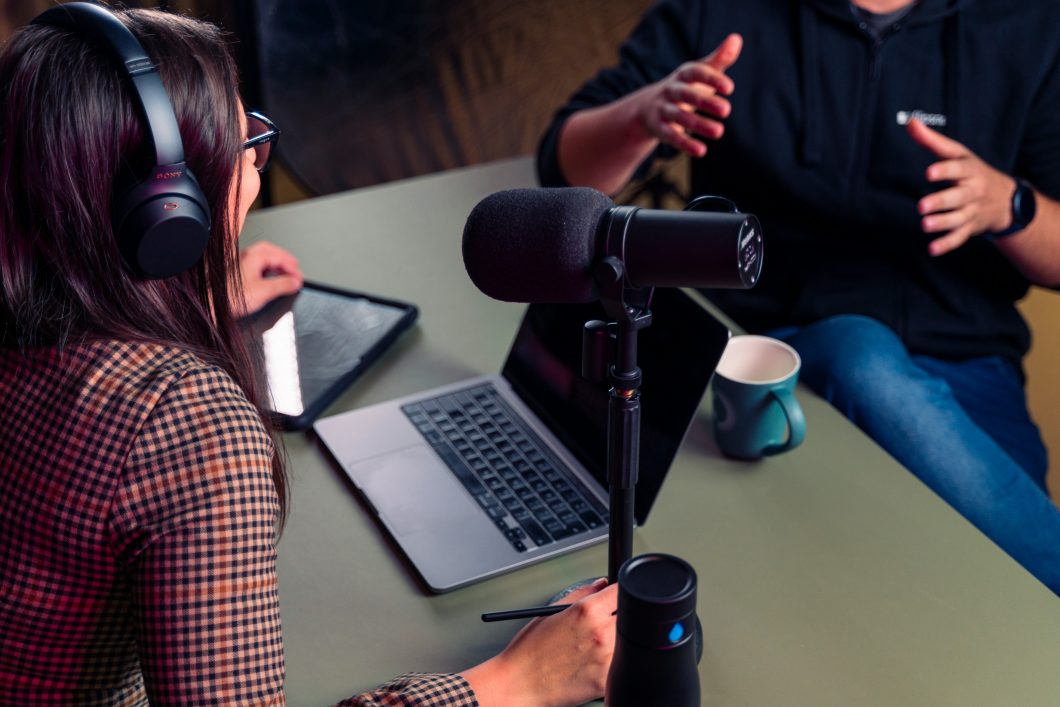
Although interviewing a scientist isn’t much different than interviewing any other source, their professional norms likely differ from yours. Understanding where scientists are coming from can help you conduct smooth interviews and maintain great relationships with your sources.
There’s no need to feel intimidated by scientist sources.
You each bring different forms of expertise to an interview. In fact, it helps to explain to scientists how your reporting, writing, and fact-checking process works.
Scientist sources might be nervous themselves—as sources in your story, their professional reputation is on the line. They might worry about accidentally saying something wrong or their words being taken out of context.
As with any source, start interviews off with some small talk and a few easy questions to put them at ease.
Never be afraid to ask basic questions. If you’re not getting what you need, try rephrasing your question until you strike gold.
Preparation is important, but don’t assume you know everything.
Overconfidence can lead you to miss new insights or make false assumptions. So, even if you’re familiar with a field, ask simple and clarifying questions. Two great follow-up questions: “What do you mean?” and “How do you know that?”
Ask why something matters or how it will affect people’s lives, and get your sources to share examples and comparisons to everyday things. (These details support clear, relatable stories.)
You may have to coax a scientist into speaking in a conversational tone.
Explain your audience’s level of understanding of the subject. Ask your source to explain things in simple terms, or at a specific grade level, and ask for alternative ways to convey any jargon they use.
Scientists are trained to remove themselves from the process as much as possible, which can sometimes make for dry responses. Ask about interesting anecdotes from their work, their emotional response to a discovery, or what got them interested in a research question to help capture their personality and passion.
In science, every person involved in a research paper has the chance to revise it before it’s published, so scientists might expect the same from journalists.
Politely explain (if true) that your outlet forbids sharing drafts as a matter of journalistic ethics. You might also share that doing so can lead to sanitized quotes or requested edits that complicate a piece.
Tell them that you share their commitment to accuracy and offer to follow up to check details about their research and review quotes in paraphrased form.
Work with your source to ensure an accurate story.
Check your understanding during the interview. Summarize what your source is telling you and ask them if you have it right.
If you have an idea for an analogy or metaphor about how something works, run it past your source for accuracy.
As with any other source, ask about possible conflicts of interest that you should know about.
Ask if they will be available for follow-up questions via email.
When your story publishes, send sources a link along with a note of gratitude for their help. If they weren’t quoted, explain that their insights were still useful. These things help cultivate good source relationships.