Skip to content
About
About The Open Notebook
Programs
Our Approach to Equity
People
Editorial Team
Board of Directors
TON Merch
Donate
Newsletter
About
About The Open Notebook
Programs
Our Approach to Equity
People
Editorial Team
Board of Directors
TON Merch
Donate
Newsletter
Facebook-f
Linkedin
Search
Search
Articles
ARTICLES BY TYPE
Interviews
Reported Features
Storygrams
Ask TON
A Day in the Life
Art, Photography & Illustration
Audio & Multimedia Storytelling
Biology
Books
Career Development
Controversy & Risk
COVID-19
Data Journalism
Diversity, Equity, and Inclusion
Earth & Environment
Editing Science Stories
Essay & Opinion Writing
Ethics in Science Journalism
Fact-checking & Revising
Feature Reporting & Writing
Finding & Interviewing Sources
Finding Story Ideas
Freelancing
Health & Medicine
Historical Research
Hype & Misinformation
Investigative Reporting
Local Reporting & Community Engagement
Meeting Coverage
Narrative Storytelling
Navigating the Science Journalism World
News Reporting & Writing
Organization & Tools
Physical Sciences
Pitching
Profiles
Self Care
Social Media
Social Sciences
Statistics
Structure
Trauma Reporting
Writing Clearly & Engagingly
Training & Mentoring
Science Journalism Master Classes
Trainings, Workshops & Consultations
Trainings and Workshops for Journalists and Newsrooms
Hands-On Science Communication Training for Scientists
Mentoring Programs & Communities of Practice
Early-Career Fellowship Program
Sharon Dunwoody Science Journalism Mentoring Program
Retraction Watch Research Accountability Reporting Fellowship
Covering Science at the Local Level: A Peer-Mentoring Community
International Students Slack Community
Ad Hoc Mentoring for Science Journalists from the Global South
Tools & Guides
Global Science Writers Database
Getting Started Guides
Where to Get Started at The Open Notebook
Getting Started in Science Journalism
On the Origin of Science Writers
The Open Notebook
’s Writers’ Guidelines
Sample Course Syllabus: Introduction to Science Writing
Science Reporting Quick Tips
Covering Science at the Local Level
Pitch Database
Resources for International Students
International Students Slack Community
U.S. Degree Programs in Science, Health, or Environmental Writing
Financial Aid Information for International Students
Diversity, Equity & Inclusion
DEI Resources at TON
Our Approach to Equity
Science Writing Resources (Elsewhere) That We Like
Science Reporting Navigator
TON
en Español
Buy Our Books
The Craft of Science Writing: Selections from The Open Notebook
The Best Science Stories and How They Work: A Collection with Commentary
Search
About
About The Open Notebook
Programs
Our Approach to Equity
People
Editorial Team
Board of Directors
Contact
Donate
Newsletter
Articles
ARTICLES BY TYPE
Interviews
Reported Features
Storygrams
Ask TON
A Day in the Life
Art, Photography & Illustration
Audio & Multimedia Storytelling
Biology
Books
Career Development
Controversy & Risk
COVID-19
Data Journalism
Diversity, Equity, and Inclusion
Earth & Environment
Editing Science Stories
Essay & Opinion Writing
Ethics in Science Journalism
Fact-checking & Revising
Feature Reporting & Writing
Finding & Interviewing Sources
Finding Story Ideas
Freelancing
Health & Medicine
Historical Research
Hype & Misinformation
Investigative Reporting
Local Reporting & Community Engagement
Meeting Coverage
Narrative Storytelling
Navigating the Science Journalism World
News Reporting & Writing
Organization & Tools
Physical Sciences
Pitching
Profiles
Self Care
Social Media
Social Sciences
Statistics
Structure
Trauma Reporting
Writing Clearly & Engagingly
Training & Mentoring
Science Journalism Master Classes
Trainings, Workshops & Consultations
Trainings and Workshops for Journalists and Newsrooms
Hands-On Science Communication Training for Scientists
Mentoring Programs & Communities of Practice
Early-Career Fellowship Program
Sharon Dunwoody Science Journalism Mentoring Program
Retraction Watch Research Accountability Reporting Fellowship
Covering Science at the Local Level: A Peer-Mentoring Community
International Students Slack Community
Ad Hoc Mentoring for Science Journalists from the Global South
Tools & Guides
Global Science Writers Database
Getting Started Guides
Where to Get Started at The Open Notebook
Getting Started in Science Journalism
On the Origin of Science Writers
The Open Notebook
’s Writers’ Guidelines
Sample Course Syllabus: Introduction to Science Writing
Science Reporting Quick Tips
Covering Science at the Local Level
Pitch Database
Resources for International Students
International Students Slack Community
U.S. Degree Programs in Science, Health, or Environmental Writing
Financial Aid Information for International Students
Diversity, Equity & Inclusion
DEI Resources at TON
Our Approach to Equity
Science Writing Resources (Elsewhere) That We Like
Science Reporting Navigator
TON
en Español
Buy Our Books
The Craft of Science Writing: Selections from The Open Notebook
The Best Science Stories and How They Work: A Collection with Commentary
Search
About
About The Open Notebook
Programs
Our Approach to Equity
People
Editorial Team
Board of Directors
Contact
Donate
Newsletter
Christie Aschwanden
Escogiendo el nombre del cachorro: el arte de la estructura narrativa
Christie Aschwanden
Brooke Borel Investigates a Scientist’s Bizarre Alter Ego
Christie Aschwanden
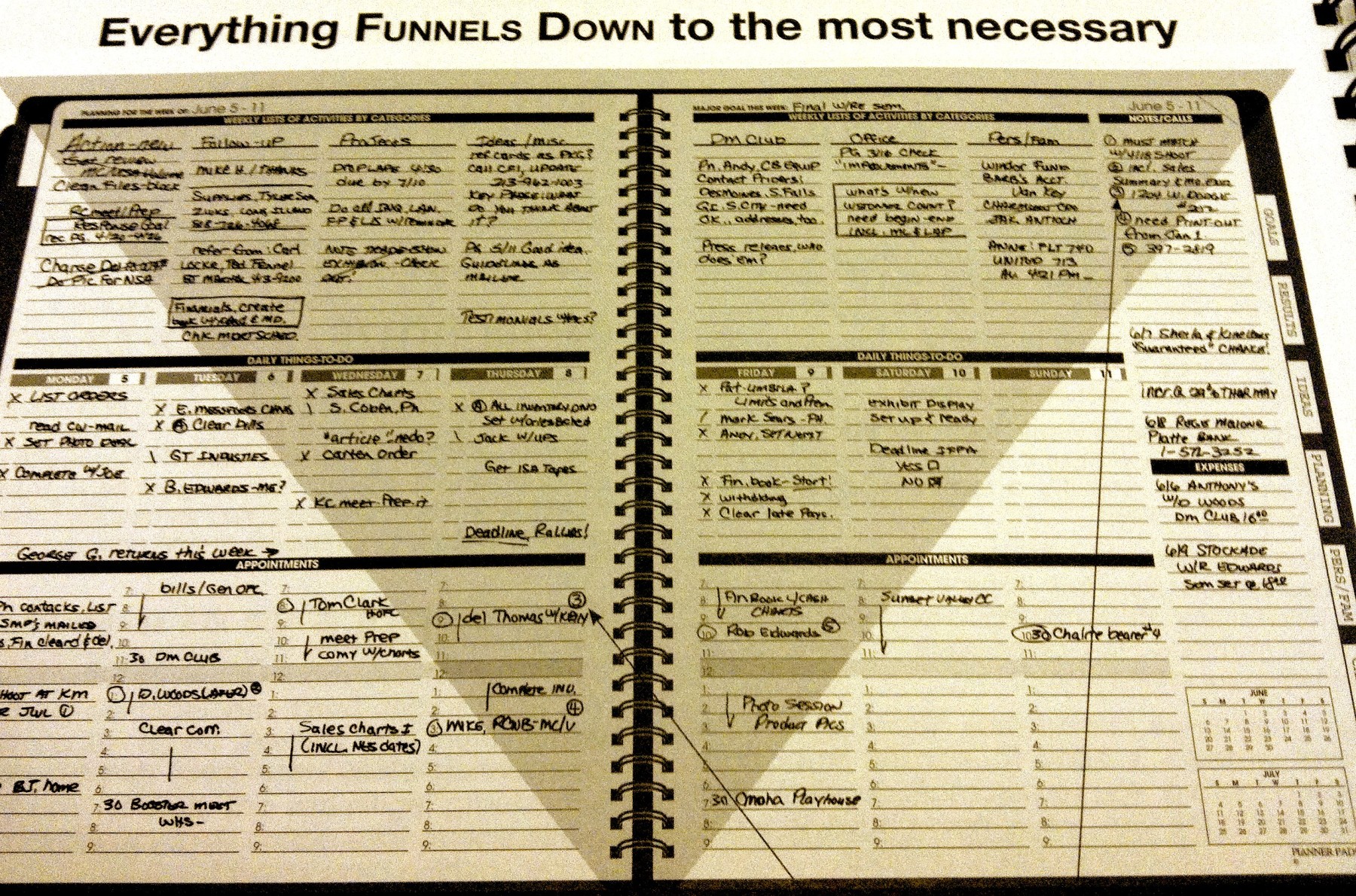
Tools: Planner Pad, the Funnel of Focus
Christie Aschwanden
Ask TON: How Many Stories at Once?
Christie Aschwanden
Serendipity Story: Hillary Rosner
Christie Aschwanden
Single Best: David Dobbs
Christie Aschwanden
Richard Todd on Good Prose
Christie Aschwanden
Single Best: Maryn McKenna
Christie Aschwanden
Paige Williams Investigates a Dinosaur Fossil Underworld
Christie Aschwanden
Single Best: Laura Helmuth
Christie Aschwanden
Single Best: Deborah Blum
Christie Aschwanden
Are You an Editor or a Writer? Part II: The Editors
Christie Aschwanden
Are You a Writer or an Editor? Part I: The Writers
Christie Aschwanden
Naming the Dog: The Art of Narrative Structure
Christie Aschwanden
William Saletan Explores the Malleability of Memory
Christie Aschwanden
Skip to content