








"The Open Notebook is an incredibly generous project, a gift to the science writer community.... Everyone involved—the TON creators, the interviewers, the writers who reveal their methods—is helping teach the rest of us a master class in science writing."
Laura Helmuth Science journalist and past president of the National Association of Science Writers 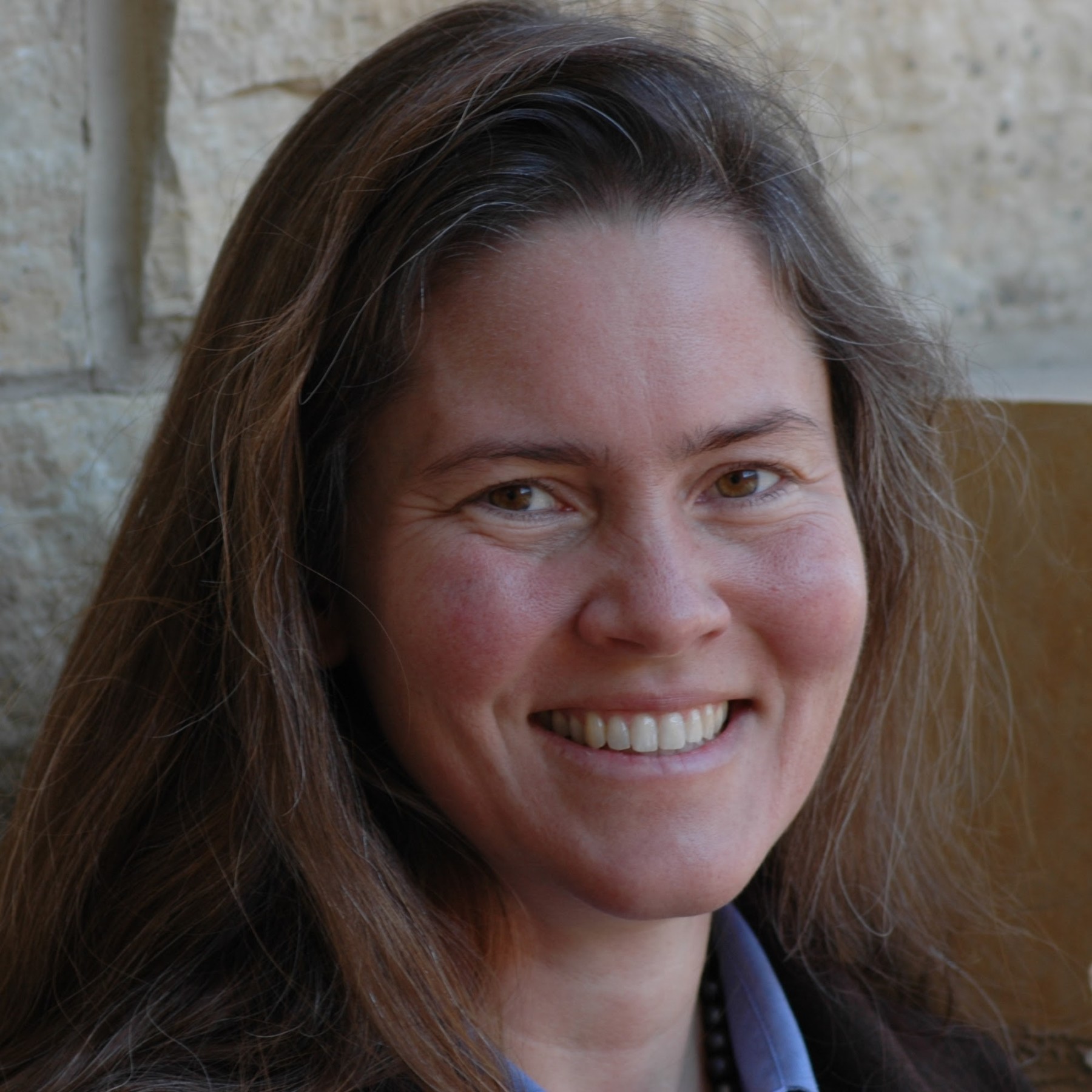
"Writing is a lonely art. The vast majority of the process, from coming up with ideas to structuring a piece, is carried out in solitude. When you start out, you barely have a clue about what you’re doing, let alone what seasoned professionals get up to. Getting those pros to deconstruct their own methods for all to see is a massive boon to aspiring science writers."
Ed YongPulitzer Prize–winning journalist 
"When I discovered The Open Notebook as a newbie engineer-turned-science-writer from India, struggling to understand the nuances of science writing, I was blown over by the wealth of resources that were free! Reading each of those carefully curated articles, written by writers from all over the world, has helped me become a better science journalist. If there is a way to democratize science writing, TON has shown us how to do it, and I hope it will continue to guide many like me."
Spoorthy RamanScience journalist 
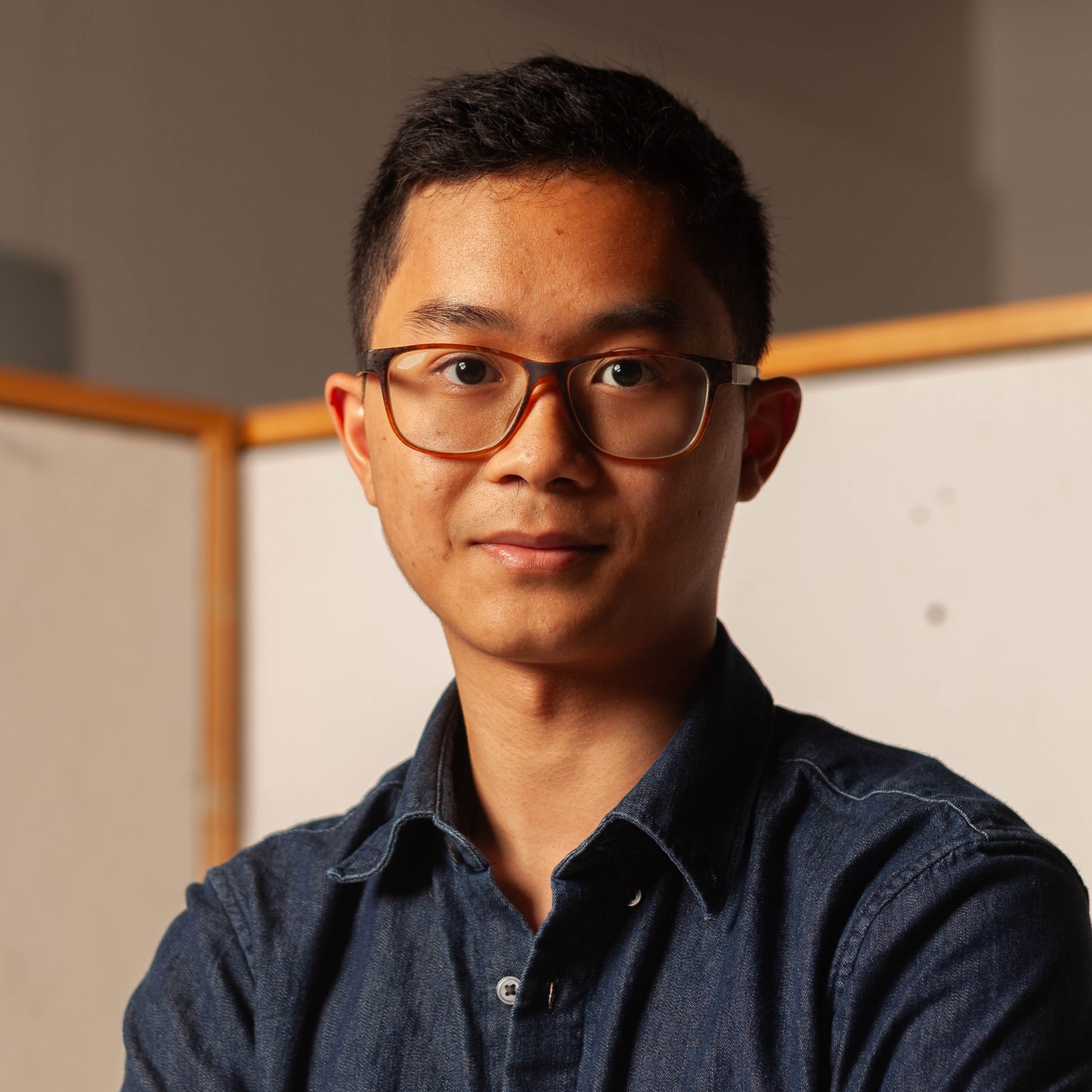
"The Open Notebook offers not only a wealth of resources, it provides community to science writers at every stage of their career. TON embodies generosity. By reading the site’s expert and timely articles, we can become better storytellers together."
Tiên NguyễnJournalist and filmmaker 
"I recommend The Open Notebook to every writer, not just science journalists. Their story dissections are amazing, their pitch database is a goldmine, and their profiles of other writers are the best way to score insider tips and/or feel less alone in the struggle."
Nicola Twilley Co-host of the Gastropod podcast, author of Frostbite: How Refrigeration Changed Our Food, Our Planet, and Ourselves, and frequent contributor to The New Yorker 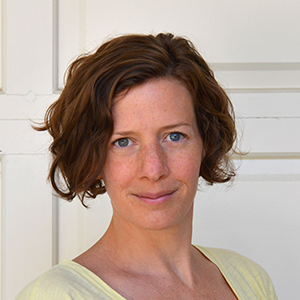
"The Open Notebook is the home of science journalism. It’s not surprising that all science writers are devoted to the priceless resources it offers. TON’s legacy will be defined by how it has shaped the careers of journalists from across the world, including me."
Abdullahi TsanniFreelance science journalist 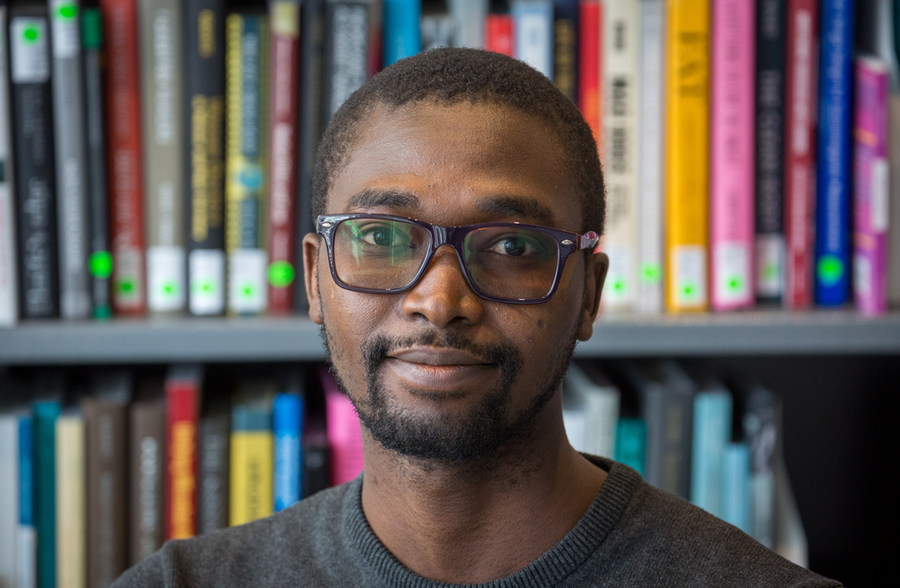
"The Open Notebook is the most essential resource for aspiring or growing science journalists."
Carolyn WilkeFreelance science journalist 
"I consider myself lucky that The Open Notebook launched right as I started to pursue a career in science writing. Its pitch database, Storygrams, interviews and in-depth articles on the craft of science writing proved invaluable as I tried to break into the field, and I continue to rely on these resources for help and encouragement. Whenever anyone asks me for advice on science writing, I recommend they first check out The Open Notebook."
Sandeep RavindranFreelance science journalist 
"What TON offers is incomparable to anything else you can find online. These amazing people are committed to training, mentoring, and guiding anyone who wants to pursue a career in journalism. And not just with an open mind, but with the goal of giving those who are underrepresented an unprecedented opportunity."
Hasmik KirakosyanFreelance science journalist 
"For me, what really stands out about TON is its unwavering belief that everyone can be a better science writer, and a firm moral stance that “everyone” truly means everybody. In these turbulent times when it seems America couldn’t be further from evidence-based discourse, The Open Notebook is a city upon a hill, showing the world what science could achieve if we came together as a community: bringing clarity, wonder, and nuance to a world that sorely needs it."
Alex IpScience journalist and founder of The Xylom