Are you new to science writing? Or are you just thinking about getting into the field and wondering what it’s all about? The Open Notebook has published hundreds of articles and other resources aimed at helping science journalists sharpen their skills—and helping newcomers get started. This page contains a subset of those resources, with a focus on what’s most relevant to people who are getting started in science journalism. Dig in!
Breaking In

Why Is It So Hard for Foreign Journalists to Break into U.S. and European Outlets?


Do You Need a Science Degree to Be a Science Reporter?

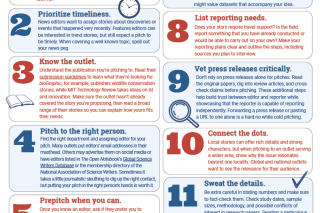
Tip Sheet for Newcomers to Science Writing


Finding and Landing the Right Internship in Science Writing

Nice Niche: How to Build and Keep Up with a Beat


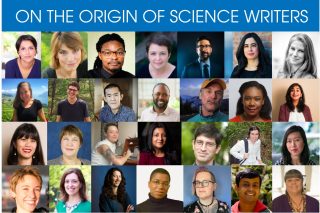
On the Origin of Science Writers


The Intern’s Survival Guide

Entering Science Writing as a Child of Immigrants
Join the Science Writers Database
Our free, public database of journalists, writers, editors, and others who cover science will help you expand your network, find freelancers and other potential colleagues, and more. Join today!
Finding Ideas

Repurposing Story Ideas for Multiple Venues

Is This a Story? How to Evaluate Your Ideas Before You Pitch


Ask TON: From Idea to Story

Sharpening Ideas: From Topic to Story

Ask TON: Saving String

Finding the Science in Any Story
Pitching

Ask TON: Repitching Killed Stories

Going Digital: Inside New Science Journalism Outlets

Making First Contact with Editors


Twelve Tips to Tune Up Your Next Pitch

Pitching Errors: How Not to Pitch


Picking a Publication to Pitch

Ask TON: How Do I Write a Good Pitch Letter?

Ask TON: How Soon to Repitch an Editor?
Want to Be Pitch Perfect?
To tell a compelling story to readers, you first need to sell your idea to an editor. The Open Notebook’s Pitch Database contains 319 successful news and feature pitches a wide range of publications. Each one is accompanied by a link to the resulting published story. Search or browse our database and discover how other journalists have succeeded in selling their stories.
Story Planning and Reporting

How to Find Scientist Sources and Plan Interviews

Spotting Shady Statistics

Finding Diverse Sources for Science Stories

Is Anyone Out There? Sourcing News Stories

Stepping Out: Finding Local Voices for Science Stories


Getting the Most out of Scientific Conferences

Ask TON: Using PIOs to Hunt Stories

How to Steer an Interview So You Get What You Need

Who Is an Expert? Broadening the Definition Strengthens Journalism

How to Take Advantage of Online Conferences


How to Read a Scientific Paper
Writing Accurately, Clearly, and Engagingly

How to Ask for Feedback from Editors

How to Find and Use Quotes in Science Stories

Diversity Style Guides for Journalists


How to Deal with a Difficult Edit

Nailing the Nut Graf

Don’t Despair: How to Handle Writer’s Block


Roundtable: A Writer’s Guide to Being Edited


The Secret to Never Writing a First Draft

Good Transitions: A Guide to Cementing Stories Together

Explaining Complexity

Fat Chance: Writing about Probability

Fact-Checking, Self-Editing, and Revising


Ask TON: How Much Editing to Expect?

How to Handle a Mistake

Ask TON: How to Fact-Check

Surviving the Grind of Fact-Checking

Ask TON: Is This Draft Too Long?

Ask TON: Who Should Trim Long Drafts?

The First Critic Is You: Editing Your Own Work
The Business and Economics of Freelancing

What Is Science Journalism Worth? Part I

Reading and Negotiating a Freelance Contract

What Is Science Journalism Worth? Part II

Getting Started in Freelance Audio Journalism

Creating and Sustaining an Email Newsletter

What to Expect When You’re Expecting as a Freelancer

Making the Leap: Six Journalists on Leaving a Staff Job to Freelance

An International Student’s Guide to Freelancing in the U.S.

Being Part of the Science Journalism World

How to Build a Healthy Media Diet

Feeling Like a Fraud: The Impostor Phenomenon in Science Writing


The Open Notebook’s Writers’ Guidelines


How Journalists Can Overcome Math Anxiety

Navigating Conflicts of Interest

How to Be (or Not to Be) an Advocacy Journalist

Including Diverse Voices in Science Stories

There’s No One Path to Becoming an Editor